Uncovering The Truth And Beyond
"Santea leaked"refers to the unauthorized disclosure and distribution of confidential information belonging to the beverage company, SanTea. This sensitive data may include internal documents, financial records, customer data, or trade secrets.
Such leaks can have significant consequences for the company, its stakeholders, and the general public. They can damage SanTea's reputation, lead to financial losses, disrupt operations, and erode customer trust. Additionally, leaked information could be used for illegal purposes or to gain an unfair advantage over competitors.
Organizations must prioritize cybersecurity measures to prevent unauthorized access to sensitive information and mitigate the risks associated with data breaches. These measures may include implementing strong passwords, access controls, encryption technologies, and employee training programs on data security best practices.
Santea Leaked
The unauthorized disclosure of confidential information belonging to the beverage company, SanTea, has raised concerns about data security and the potential consequences of such leaks.
- Data Breach: Unauthorized access to sensitive information.
- Confidentiality: Violation of trust and privacy.
- Reputational Damage: Loss of public trust and credibility.
- Financial Losses: Potential fines, legal fees, and loss of revenue.
- Operational Disruption: Halt or delay of business operations.
- Competitive Advantage: Unauthorized use of sensitive information by competitors.
- Legal Consequences: Violation of data protection laws and regulations.
- Customer Trust: Erosion of confidence and loyalty.
- Cybersecurity Measures: Importance of robust security protocols to prevent leaks.
Organizations must prioritize cybersecurity measures to mitigate the risks associated with data breaches. These measures include implementing strong passwords, access controls, encryption technologies, and employee training programs on data security best practices.
The "Santea leaked" incident highlights the importance of data security and the potential consequences of unauthorized disclosure of confidential information. Organizations must take proactive steps to protect their sensitive data and maintain the trust of their stakeholders.
Data Breach
A data breach occurs when sensitive information is accessed by unauthorized individuals without permission. In the case of "santea leaked," the data breach involved the unauthorized disclosure of confidential information belonging to the beverage company, SanTea. This sensitive data may have included internal documents, financial records, customer data, or trade secrets.
Data breaches can have a devastating impact on organizations. They can damage reputation, lead to financial losses, disrupt operations, and erode customer trust. In the case of SanTea, the data breach could potentially lead to identity theft, financial fraud, or even blackmail.
Organizations must take proactive steps to prevent data breaches from occurring. These steps include implementing strong passwords, access controls, encryption technologies, and employee training programs on data security best practices. By taking these steps, organizations can help to protect their sensitive information and mitigate the risks associated with data breaches.
Confidentiality
Confidentiality is the state of keeping information secret or private. When confidentiality is violated, trust and privacy are breached. This can have a devastating impact on individuals and organizations.
- Trust: When confidential information is leaked, it can damage the trust between the organization and its stakeholders. This can lead to loss of customers, partners, and investors.
- Privacy: Confidential information often includes personal data, such as financial information, health records, or trade secrets. When this information is leaked, it can violate the privacy of individuals and organizations.
- Reputation: A data breach can damage an organization's reputation. This can lead to loss of business, decreased stock prices, and negative publicity.
- Legal liability: In many jurisdictions, organizations are legally liable for protecting the confidentiality of personal data. A data breach can lead to fines, lawsuits, and other legal penalties.
The "santea leaked" incident is a reminder of the importance of confidentiality. Organizations must take steps to protect the confidentiality of their sensitive information. This includes implementing strong security measures, such as encryption and access controls. Organizations must also train their employees on the importance of confidentiality and how to protect sensitive information.
Reputational Damage
Reputational damage occurs when an organization's reputation is harmed, leading to loss of public trust and credibility. "Santea leaked" is a prime example of how a data breach can cause significant reputational damage to a company.
- Loss of Customer Trust
When a company experiences a data breach, customers may lose trust in the company's ability to protect their personal information. This can lead to customers taking their business elsewhere.
- Negative Publicity
Data breaches often generate negative publicity for the affected company. This can damage the company's reputation and make it difficult to attract new customers and partners.
- Loss of Investor Confidence
Data breaches can also lead to loss of investor confidence. Investors may be concerned about the company's ability to protect its assets and may sell their shares, leading to a decline in the company's stock price.
- Regulatory Scrutiny
Data breaches can also lead to increased regulatory scrutiny. Regulators may investigate the company's security practices and impose fines or other penalties.
In the case of "santea leaked," the reputational damage could be significant. The company may lose customers, partners, and investors. The company may also face increased regulatory scrutiny and legal liability. It is important for SanTea to take steps to rebuild its reputation and regain the trust of its stakeholders.
Financial Losses
Financial losses are a significant risk for companies that experience a data breach. These losses can include fines, legal fees, and loss of revenue.
In the case of "santea leaked," the company could face fines from regulatory agencies for violating data protection laws. The company could also face lawsuits from customers who have been affected by the data breach. These lawsuits could result in the company having to pay damages to the affected customers.
In addition to fines and legal fees, "santea leaked" could also lead to a loss of revenue. Customers may be hesitant to do business with a company that has experienced a data breach. This could lead to a decline in sales and a loss of revenue for the company.
The financial losses associated with a data breach can be significant. It is important for companies to take steps to prevent data breaches from occurring. These steps include implementing strong security measures, such as encryption and access controls. Companies should also train their employees on the importance of data security and how to protect sensitive information.
Operational Disruption
A data breach can lead to operational disruption, which can halt or delay business operations. In the case of "santea leaked," the data breach could lead to a number of operational disruptions, including:
- Loss of productivity
Employees may be unable to access critical data or systems, which can lead to a loss of productivity.
- Delays in production
If the data breach affects production systems, it could lead to delays in production.
- Loss of revenue
Operational disruptions can lead to a loss of revenue, as customers may be unable to purchase products or services.
- Damage to reputation
Operational disruptions can damage a company's reputation, as customers may lose trust in the company's ability to provide reliable products or services.
The operational disruptions caused by a data breach can be significant. It is important for companies to take steps to prevent data breaches from occurring. These steps include implementing strong security measures, such as encryption and access controls. Companies should also train their employees on the importance of data security and how to protect sensitive information.
Competitive Advantage
In the context of "santea leaked," unauthorized use of sensitive information by competitors can provide them with a significant competitive advantage. This is because competitors can use this information to gain insights into SanTea's business strategies, product development plans, and customer data. This information can be used to develop competing products or services, target SanTea's customers, or even blackmail the company.
For example, if a competitor were to gain access to SanTea's customer data, they could use this information to target SanTea's customers with special offers or discounts. This could lead to SanTea losing customers to its competitor.
It is important for companies to take steps to protect their sensitive information from unauthorized access. This includes implementing strong security measures, such as encryption and access controls. Companies should also train their employees on the importance of data security and how to protect sensitive information.
By taking these steps, companies can help to prevent their competitors from gaining a competitive advantage by unauthorized use of sensitive information.
Legal Consequences
The "santea leaked" incident highlights the legal consequences that companies can face for violating data protection laws and regulations. In many jurisdictions, companies are legally obligated to protect the personal data of their customers and employees. When a company fails to do so, it can be subject to fines, lawsuits, and other legal penalties.
In the case of "santea leaked," the company could face legal consequences for violating data protection laws and regulations. For example, the company could be fined by regulatory agencies for failing to protect the personal data of its customers. The company could also face lawsuits from customers who have been affected by the data breach.
The legal consequences of violating data protection laws and regulations can be significant. It is important for companies to take steps to protect the personal data of their customers and employees. This includes implementing strong security measures, such as encryption and access controls. Companies should also train their employees on the importance of data security and how to protect sensitive information.
By taking these steps, companies can help to avoid the legal consequences of violating data protection laws and regulations.
Customer Trust
Customer trust is essential for any business. When customers trust a company, they are more likely to do business with that company and to be loyal customers. However, when a company experiences a data breach, such as "santea leaked," customer trust can be eroded.
There are a number of reasons why a data breach can erode customer trust. First, a data breach can expose customers' personal information to unauthorized individuals. This can lead to identity theft, financial fraud, and other crimes. Second, a data breach can disrupt a company's operations, which can make it difficult for customers to do business with the company. Third, a data breach can damage a company's reputation, which can make customers less likely to trust the company.
The "santea leaked" incident is a prime example of how a data breach can erode customer trust. After the data breach, SanTea's customers were concerned about the security of their personal information. This led to a loss of trust in SanTea and a decline in sales.
Companies need to take steps to protect their customers' personal information and to prevent data breaches from occurring. By taking these steps, companies can help to maintain customer trust and loyalty.
Cybersecurity Measures
The "santea leaked" incident highlights the importance of robust cybersecurity measures to prevent data breaches. Without adequate security protocols in place, companies are vulnerable to unauthorized access to their sensitive information, which can have devastating consequences.
- Encryption: Encryption is a process of converting data into a format that cannot be easily understood by unauthorized individuals. This is a critical security measure to protect sensitive data, such as customer information, financial data, and trade secrets.
- Access controls: Access controls restrict who can access certain data and systems. This can be implemented through passwords, biometrics, or other authentication methods. Strong access controls can prevent unauthorized individuals from gaining access to sensitive information.
- Vulnerability management: Vulnerability management involves identifying and patching vulnerabilities in software and systems. This is important to prevent attackers from exploiting vulnerabilities to gain unauthorized access to data.
- Security awareness training: Security awareness training educates employees on the importance of cybersecurity and how to protect sensitive information. This training can help to prevent employees from making mistakes that could lead to a data breach.
By implementing robust cybersecurity measures, companies can help to prevent data breaches and protect their sensitive information. This is essential to maintain customer trust, avoid financial losses, and protect the company's reputation.
Frequently Asked Questions about "santea leaked"
The "santea leaked" incident has raised a number of questions and concerns. This FAQ section aims to address some of the most common questions and provide informative answers.
Question 1: What is "santea leaked"?
Answer: "Santea leaked" refers to the unauthorized disclosure of confidential information belonging to the beverage company, SanTea. This information may include internal documents, financial records, customer data, or trade secrets.
Question 2: What are the potential consequences of the "santea leaked" incident?
Answer: The unauthorized disclosure of confidential information can have significant consequences for SanTea, its stakeholders, and the general public. These consequences may include damage to reputation, financial losses, operational disruption, and erosion of customer trust.
Question 3: What is SanTea doing to address the "santea leaked" incident?
Answer: SanTea has taken a number of steps to address the "santea leaked" incident, including investigating the data breach, notifying affected individuals, and implementing additional security measures to prevent future breaches.
Question 4: What can I do to protect my personal information in light of the "santea leaked" incident?
Answer: There are a number of steps you can take to protect your personal information, such as using strong passwords, being cautious about what information you share online, and being aware of the potential risks of phishing scams.
Question 5: What are the legal implications of the "santea leaked" incident?
Answer: The unauthorized disclosure of confidential information may violate data protection laws and regulations. SanTea could face legal consequences, such as fines or lawsuits, as a result of the "santea leaked" incident.
Question 6: What can companies do to prevent data breaches?
Answer: Companies can take a number of steps to prevent data breaches, such as implementing strong cybersecurity measures, providing security awareness training to employees, and regularly reviewing and updating their security protocols.
Summary: The "santea leaked" incident highlights the importance of data security and the potential consequences of unauthorized disclosure of confidential information. Individuals and organizations should take steps to protect their personal information and sensitive data.
Transition: To learn more about data security and best practices for protecting your personal information, please refer to the following resources:
Tips to Prevent Data Breaches
In light of the recent "santea leaked" incident, it is more important than ever for individuals and organizations to take steps to prevent data breaches. Here are five tips to help you protect your sensitive information:
Tip 1: Use Strong PasswordsStrong passwords are one of the most effective ways to prevent unauthorized access to your accounts. A strong password should be at least 12 characters long and contain a mix of upper and lower case letters, numbers, and symbols. Avoid using common words or phrases that can be easily guessed.
Tip 2: Be Cautious About What Information You Share OnlineBe careful about what information you share online, especially on social media. Avoid sharing personal information, such as your address, phone number, or financial information. Only share information with people you trust.
Tip 3: Be Aware of the Potential Risks of Phishing ScamsPhishing scams are emails or websites that are designed to trick you into giving up your personal information. Be wary of any emails or websites that ask you to click on a link or enter your personal information. If you are unsure about the legitimacy of an email or website, do not click on any links or enter any information.
Tip 4: Keep Your Software Up to DateSoftware updates often include security patches that can help to protect your computer from vulnerabilities. Make sure to install software updates as soon as possible.
Tip 5: Use a VPNA VPN (virtual private network) can help to protect your privacy and security online. A VPN encrypts your internet traffic, making it difficult for others to track your online activity or steal your personal information.
Summary: By following these tips, you can help to protect your personal information and sensitive data from unauthorized access.Transition: For more information on data security and best practices for protecting your personal information, please refer to the following resources:Conclusion
The "santea leaked" incident is a stark reminder of the importance of data security. Unauthorized disclosure of confidential information can have devastating consequences for individuals and organizations, including damage to reputation, financial losses, and erosion of trust.
Organizations must prioritize cybersecurity measures to prevent data breaches and protect sensitive information. Individuals must also take steps to protect their personal information online. By working together, we can create a more secure digital environment for everyone.
Unveiling The Secrets: Jake Tapper's Salary And The Art Of Journalism
Unveiling The Wealth Of Hiroshi Mikitani: A Journey To Billion-Dollar Insights
Unlock The Secrets Of Standing Up For Your Wife: Discover Surprising Insights And Proven Strategies

Santea Snapchat Story Leaked Twitter

Santea Snapchat Story Leaked Twitter Video Gone Viral
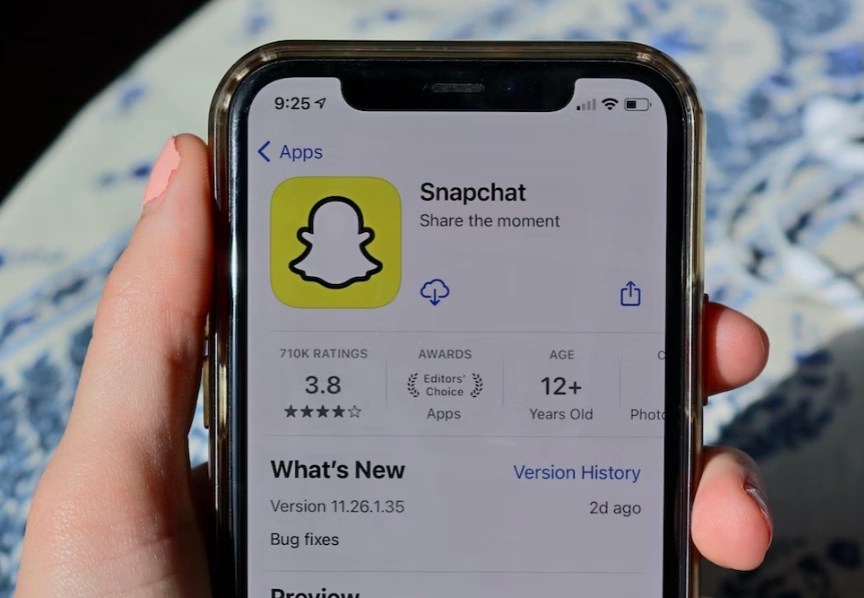
Santea Snapchat Story Leaked
ncG1vNJzZmiokaXCqnrApqpsZpSetKrAwKWmnJ2Ro8CxrcKeqmebn6J8tK3NrZyaZZyarqyxw2efraWc